Professional Food Safety Cleaning
You must have regular cleaning scheduled according to potential hazards, operational volume, allergen concerns, and health inspections, combined with documented records demonstrating HACCP compliance, inspection results, and government health requirements. The following sections describe critical cleaning system elements.
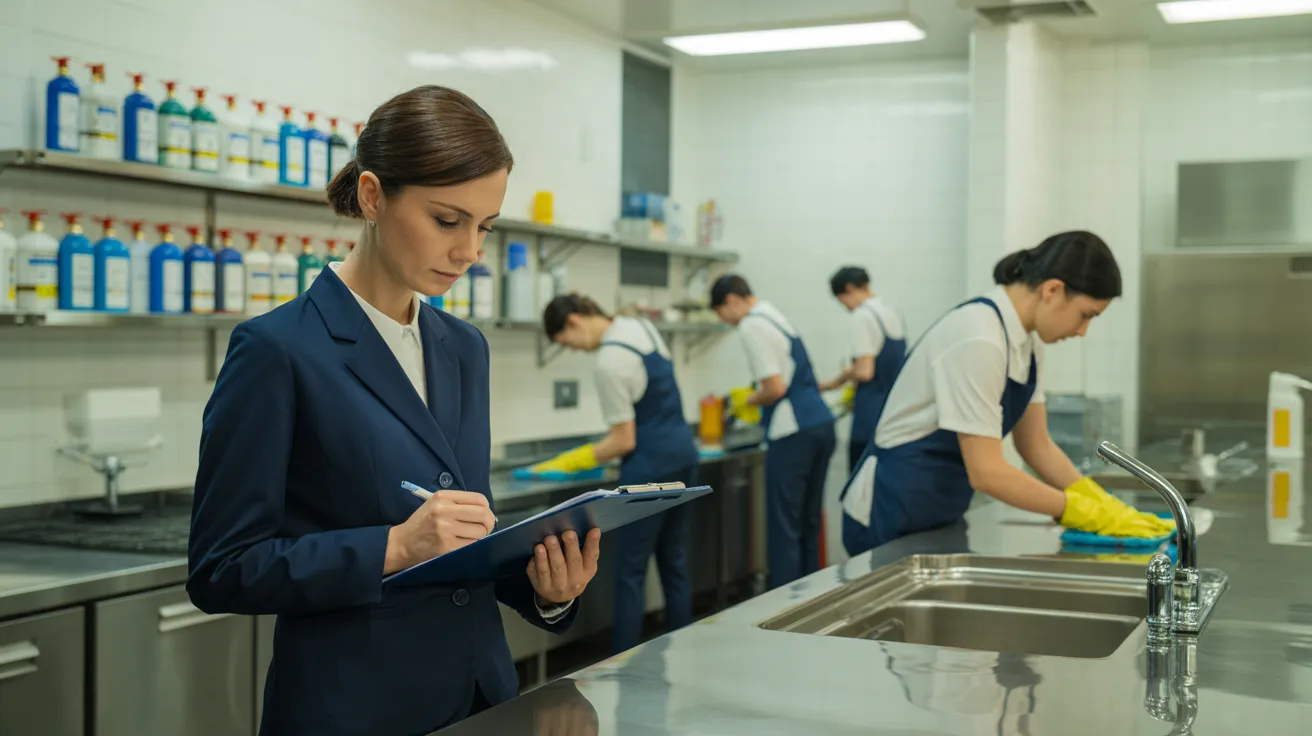
Important Highlights
- Food safety cleaning specialists from Brampton assist restaurants, grocery departments, commissaries, warehouses, bakeries, schools, mobile vendors, and allergen-sensitive operations.
- Zone-based workflows disinfect high-touch surfaces, food-contact equipment, kitchens, floors, drains, restrooms, and storage areas for eliminating cross-contamination.
- Documentation of finishing through checks, inspections, and corrective-action records verifies approved specialists have checked approved sanitizer dilution, appropriateness, and exposure duration.
- Hazard, production rate, changeovers, accidents, and guidelines should shape maintenance schedules, with everyday, periodic, and annual tasks assigned by location.
- Protection, color-coded instruments, hazard analysis knowledge, sanitation understanding, safety training training, testimonials, and assessment-ready maintenance records are vital contractor attributes.
Which Brampton Establishments Need Food Safety Cleaning?
Any Brampton facility that handles, stores, prepares, packages, or serves food needs food safety cleaning. You must follow it if your operation falls under health inspection, premises standards, or HACCP protocols. That requirement covers dining establishments, break rooms, food warehouses, market sections, butcheries, seafood areas, retail shops, and facility kitchens.
You'll also need proper hygiene protocols in supply facilities, manufacturing operations, cold storage warehouses, bakeries, school food programs, reception halls, and delivery services. Mobile and temporary operations matter as well, such as food trucks, festival vendors, and pop-up establishments. If your staff handle raw materials, divide prepared dishes, warm finished meals, or maintain allergen storage, your establishment requires documented cleaning protocols. In Brampton, food safety is mandatory; it represents legal, operational, and consumer protection compliance.
What Do Brampton Cleaning Experts Clean?
Your facility requires read here professional cleaners who sanitize all high-touch areas, cooking and food prep areas, floors, and restrooms for food safety and health code adherence. These zones receive attention due to their elevated cross-contamination potential, hazardous walking conditions, and breaches of sanitation codes.
When you understand what they clean, you can verify that your facility's cleaning scope meets operational and regulatory requirements.
Important High-Touch Surface Sterilization
arrange sterilization frequency according to usage patterns, exposure levels, and facility operations.
swabbing procedures to validate disinfection effectiveness
Food Prep Areas, Flooring, and Sanitary Facilities
Professional cleaners in Brampton prioritize kitchens, floors, and restrooms given that each location involves distinct contamination control, slip-and-fall, and health code requirements. In industrial kitchens, you need grease removal from cooking stations, appliance surfaces, drain systems, preparation areas, and backsplashes to minimize contamination and pest pressure.
Documented floor care is also provided as part of the service.
Restroom sanitation requires disinfecting touchpoints, fixtures, partitions, dispensers, and waste containers, replacing items and managing smells. They also maintain restaurant cleaning supply rooms where product storage, sink cleanliness, and drain systems impact daily sanitation standards and worker protection.
How Food Safety Cleaning Benefits Brampton Operations
Brampton facilities demand proper hygiene standards to fulfill compliance obligations and pass audits. You also minimize cross-contamination by cleaning and sanitizing food-contact surfaces, equipment, and high-touch areas correctly. Most importantly, you safeguard community wellness by reducing the chance of food poisoning in your establishment.
Regulatory Code Requirements
Because Brampton food operations operate under strict public health standards, food safety cleaning directly influences your ability to meet health code requirements, safeguard customers, and eliminate enforcement action. You must maintain clean food preparation areas, written maintenance records, appropriate product handling, and documented employee protocols that meet municipal and provincial inspection expectations.
During inspections of your operation, regulators check if your sanitation system ensures safe storage, tool sterilization, waste handling, and bathroom upkeep.
Contamination Prevention
Adhering to regulatory guidelines requires your skill in preventing cross-contamination throughout daily food handling and cleaning. You need to isolate uncooked items from finished products, sanitize work stations after each task, and keep chemicals away from food-contact items. Structured procedures reduce transfer risks and ensure consistent compliance during inspections.
You should establish allergen separation to keep priority allergens from contacting shared surfaces, containers, or equipment. Employ separate boards, labeled implements, and strict utensil labeling so employees avoid combining products throughout cooking or serving. Require handwashing after handling raw meat, seafood, eggs, or allergen-containing products. Replace wiping cloths regularly, and verify sanitizer strength with test strips. When staff members receive training on these procedures every shift, you build a more hygienic, secure workplace that meets Brampton's food safety expectations consistently.
Community Health Safety
If proper sanitation deteriorates, you don't merely risk a failed inspection—you amplify the risk of pathogenic contamination affecting customers, staff, and the broader Brampton area. You also undermine your responsibility in protecting public health, especially in high-traffic food premises where pathogens travel quickly through surfaces, equipment, and touchpoints.
You depend on sanitation protocols that remove soils, properly disinfect, and verify results. This involves maintaining exposure times, utilizing authorized sanitizers, recording schedules, and coaching staff to meet compliance standards. These initiatives promote pathogen control by suppressing pathogens before affecting food surfaces or hands. In Brampton, effective cleaning shields vulnerable populations, minimizes disease spread, and proves your diligence. When you adhere to proper protocols, you go beyond regulations—you substantially reduce risk and advance safer food handling across the region.
How Can Cleaning Practices Ensure Food Safety Compliance?
Establishing strict sanitation practices improves food safety compliance by lowering contamination exposure, managing pathogen expansion, and maintaining your facility's adherence to sanitation requirements under HACCP-based programs and public health regulations. You ensure that food-contact surfaces stay visibly clean and microbiologically controlled, backing documented preventive controls and inspection readiness.
Strategic cleaning practices also enhance allergen control by extracting residues that can cause undeclared allergen exposure.
Establishing When to Schedule Commercial Cleaning
gather pollutants. Boost frequency
Establish weekly or monthly cleaning on drains, vents, storage racks, and hard-to-reach equipment zones, determined by inspection findings and sanitation records. Set aside seasonal thorough cleaning to cover shutdowns, weather-related soil buildup, or pest-pressure periods
What Should You Look For in Brampton Cleaning Experts?
Begin by evaluating providers based on food-safe sanitation requirements—not solely on budget. You should confirm that each organization comprehends CFIA, public health, and HACCP-aligned expectations applicable to your facility. Request insurance certificates, WHMIS compliance, staff training documentation, and oversight procedures. Assess whether technicians recognize cross-contamination hazards, chemical handling protocols, and verifiable sanitation records.
You must also evaluate operational reliability and accountability. Seek references from Brampton food companies, then assess response speed, corrective-action procedures, and communication standards. Ensure the company enables supplier checks and can provide inspection-ready documentation when authorities or third parties demand verification. Verify equipment care, colour-coded tools are deployed correctly, and operational-specific risks are understood. A reputable service protects compliance, product integrity, and your brand reputation.
Which components are part of a hygiene cleaning program?
Create a documented plan that makes clear every sanitation responsibility, standard, and task prior to production start. You should outline cleaning frequencies, approved chemicals, dilution rates, contact times, tools, and verification methods for each location, surface, and apparatus. Incorporate pre-operational inspections, corrective actions, and employee training requirements.
Your strategy should also focus on cross-contamination controls, waste handling, pest-prevention measures, and documented schedules for rest areas, drains, flooring, and food-contact surfaces. Describe how you'll keep raw and ready-to-eat processes separate, facilitate ingredient tracking, and maintain accurate allergen labeling through validated cleaning between product changes. You should set accountability, maintain signed records, and assess results against regulatory standards, HACCP controls, and customer requirements. When gaps appear, update procedures immediately and instruct staff.
Commonly Asked Questions
Can cleaning services support nighttime operations in Brampton properties?
If you manage controlled environments, you'll also need documentation that support audits and maintain assurance.
Are emergency spill response services provided from Brampton cleaning experts?
Yes, you can discover many Brampton sanitation experts providing hazard containment options. They manage contamination, evaluate risks, isolate contamination, and begin swift decontamination to minimize exposure and prevent business disruption. You should verify response rates, credentials, PPE measures, and disposal methods. If your facility must adhere to regulations, pick a provider that documents events, follows procedures, and supports verification.
Can eco-friendly disinfectants be deployed safely on food preparation areas?
Absolutely, green disinfectants can be suitable for food preparation areas when you opt for items marked food-safe and complying with regulations. You must check application timing, mixing proportions, and rinse protocols prior to application. Plant based formulas lower chemical hazards, though you still need confirmation of performance against harmful bacteria. For keeping surfaces residue-free, stick to manufacturer instructions exactly and confirm your disinfectant adheres to food industry regulations.
Do cleaning schedules support seasonal variations?
Certainly, maintenance plans respond to seasonal variations well. Adjust timing, staffing, cleaning agents, and testing procedures to fit with operational cycles while upholding compliance standards. Limit production interruptions by timing sanitization amid production shifts, maximum output, and operational patterns. Further update written procedures, training, and monitoring protocols to address temporary risks, additional allergens, or increased soiling. Ongoing evaluations keep your strategy current.
Do commercial cleaners educate staff on hygiene standards?
Absolutely, commercial cleaners frequently provide staff training on sanitation best practices. Your team receives instruction on proper chemical use, contact times, cross-contamination prevention, equipment disassembly, and paperwork. They typically align instruction with HACCP, GMP, and CFIA or local public health standards. Many also perform health inspections to ensure adherence, pinpoint weaknesses, and strengthen corrective measures. This helps you maintain consistent procedures, pass inspections, and reduce food safety risks routinely.
Summary
When you partner with Brampton food safety and commercial cleaning experts, you aren't merely cleaning—you keep your operation inspection-ready and your protocols compliant. From kitchens to processing floors, every polished surface and well-kept corner minimizes pest intrusion and avoid expensive problems. By scheduling service at the proper frequency and adhering to a detailed cleaning schedule, you safeguard employees, customers, and your reputation. In a tightly regulated environment, clean spaces are essential—they're fundamental to proper operations.